|
|
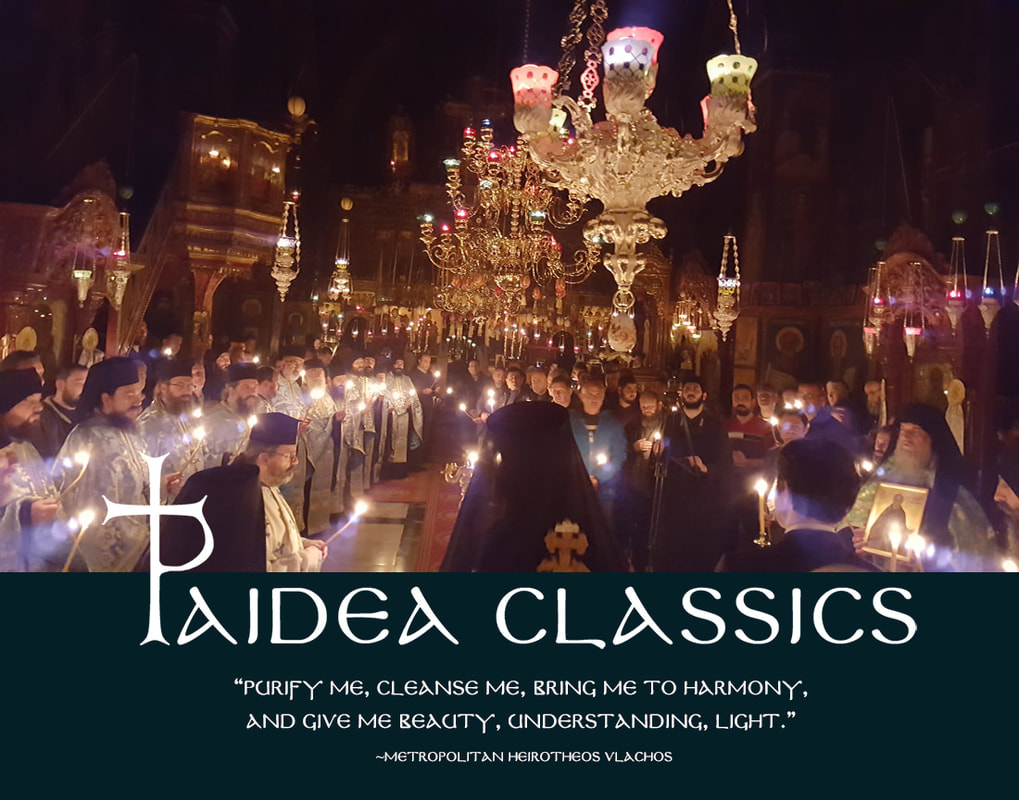
I want to say something about this prayer, which my spiritual father wrote and gave me almost 20 years ago now: "O Lord Jesus Christ our God Who didst come into this world not to be ministered unto but to minister and to give Thy life as a ransom for many. Help me, I beseech Thee in my ministry of caring for the children Thou hast given me. Enable me to be patient in tribulations, to instruct with a meek and gentle spirit, to reprimand with inner tranquility and a sober mind, and to serve in humility of heart with love. May I thus live in Thee alone, by Thee alone and for Thee alone showing forth Thy virtues and leading my family upon the path of Thy saving commandments. That we may glorify Thee together with Thine unoriginate Father and Thine all-holy Spirit both in this world and that which is to come. Amen." When our family came into the Church in 1996, large families were extremely rare and very few Orthodox homeschooled. I myself, grew up in a very broken home and desperately desired role models to look up to. As a part of my conversion process to Christianity, I became convicted that children were a blessing from God and that homeschooling was the easiest way to live a God-centered lifestyle and to transmit our growing faith to our children. But at the time, few shared those convictions in Orthodoxy and the Internet wasn't a source of extended community support yet. So rather than providing me other women I could look up to, God provided me a spiritual father who would help heal me from my past wounds and transform our life spiritually. He authored this prayer in one of his especially poignant letters he sent when I was particularly down and depressed. I later received a blessing to share it on the Paidea Classics website as well as a couple of his letters that I also had. Monasticism has something deeper to offer than peer support. Not only does the ascetic life of monasticism help the spiritual father or mother to understand and have compassion for the ongoing struggle of self-denial and constant serving of others demanded by motherhood, he or she better understands sin and suffering and helps you overcome temptations, and transform sorrows into means of ascent and spiritual growth. Today, there is a lot more material out there being written and published to help families. But there remains a special chrism of spiritual fatherhood (or motherhood), that cannot be put into books and generally goes unnoticed by the mainstream Orthodox public. But in the case of this prayer, it is important for me that people realize it is the product of a holy monastic life, steeped in ceaseless prayer, and serving others through the role of spiritual fatherhood. It is a selfless gift to the Church by a person who is looking to acquire nothing from it himself.
0 Comments
The first 450 years of Church history is a foundational time period during the establishment of the Church of Christ. All later history depends on the precedences set during these early years. Paidea Classics initial publications focus heavily on this critical time period.
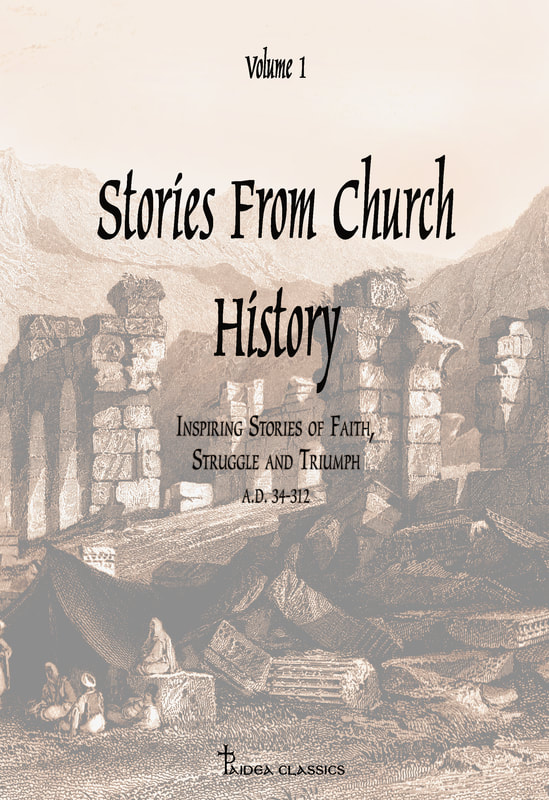
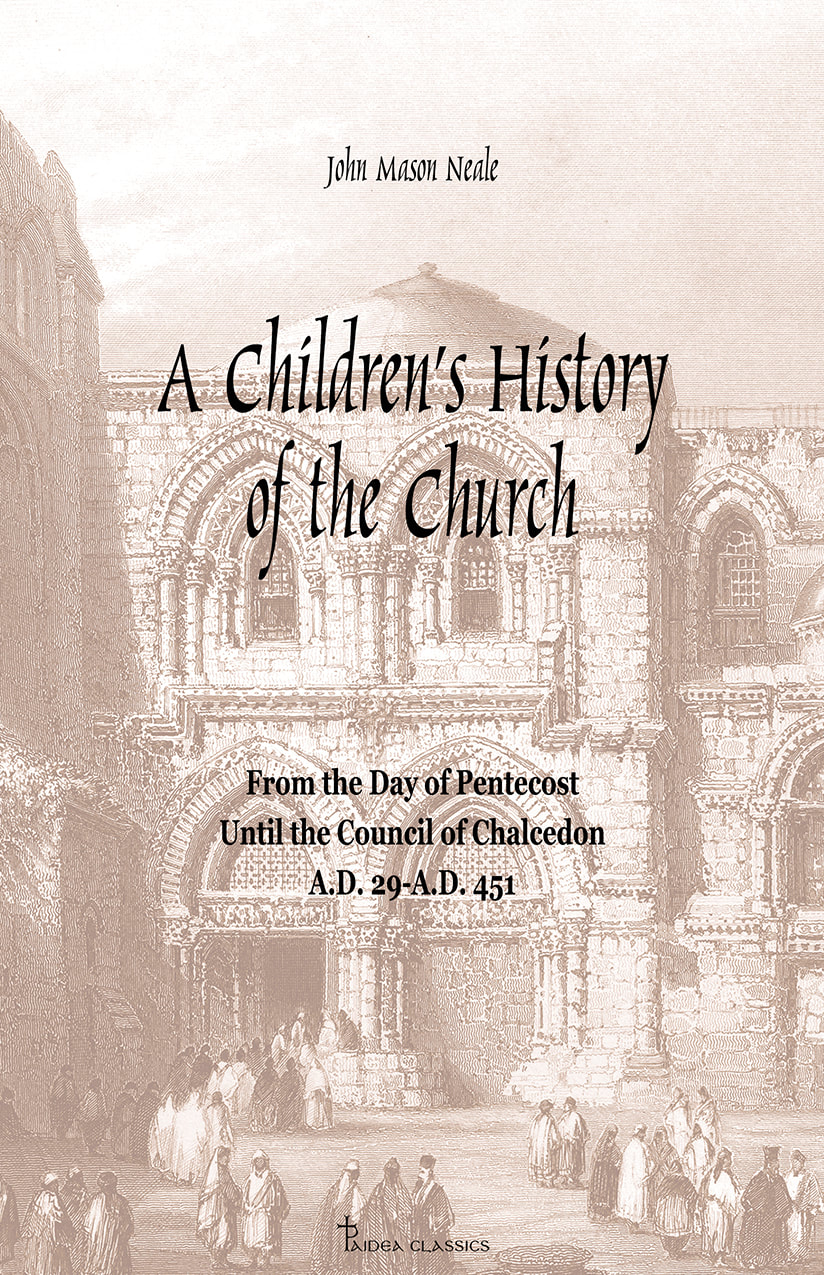
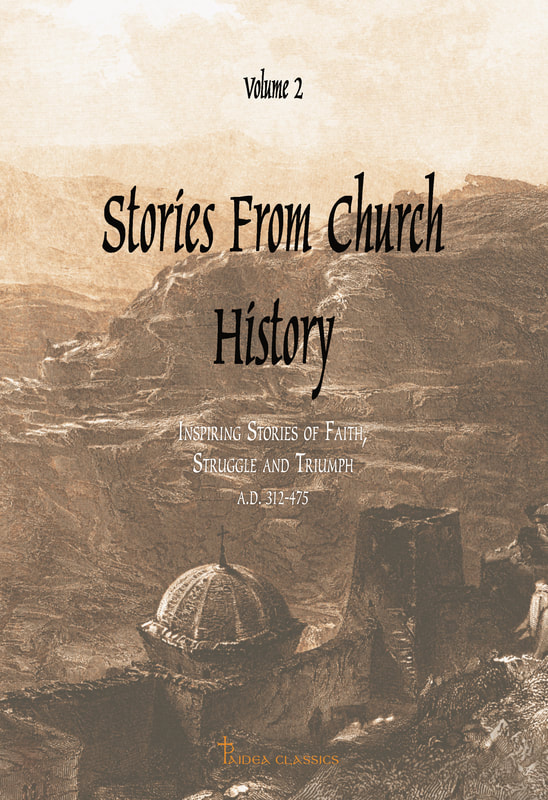
I have uploaded a pdf sample of Stories from Church History, Volume 1. http://www.paideaclassics.org/…/stories_of_church_history_%… You can see how it correlates with A Children's History of the Church here: http://www.paideaclassics.org/…/9/6/2/996246…/finaldchildren’shistoryofthechurchsample.pdf Here is a sample of Stories from Church History, Volume 2. http://www.paideaclassics.org/…/volume2storiesfromchurchhis… These three volumes including Stories from Church History, Volume 2, which is coming out, hopefully by the end of August, provides good coverage of the first 450 years of Church history. A Children's History of the Church is the history spine which connects the overall events of history during this time period together, describing in more detail the councils, the heresies, and major happenings of various geographical regions. While the two volumes of Stories from Church History compliment it by providing short stories of major historical figures and saints, often only briefly mentioned in A Children's History of the Church. These short stories more effectively capture the child's heart and interest in the historical narrative. The history spine alone would be too dry and fast paced. The stories alone would fail to provide necessary context in relationship to the greater story line and major concurrent events. The three volumes together provide comprehensive and balanced coverage that is both broad in scope while also engaging, helping the child to figuratively enter into the experience being shared in story form. There is a chart in the appendix of both volumes of Stories from Church History that correlate the stories with the pages where their references are found in A Child's history of the Church. This chart is intended to simplify lesson planning. A reading can be done first from A Children's History of the Church, which is then followed by a complimentary short story. Paidea Classics also publishes, and carries titles from other publishers, that compliment this time period as well. These volumes together, form a very comprehensive study of the early Church that is both informative and a joy to read. "The fear of God is the beginning of wisdom"
(Proverbs 9:10; Psalm 111:10) A homily by a hieroschema monk that can apply to the transmission of wisdom to our children: ..................................................................................................................... Homily The first 2 verses in today's Gospel read: "The light of the body is the eye: if therefore thine eye be single, thy whole body shall be full of light. But if thine eye be evil, thy whole body shall be full of darkness. If therefore the light that is in thee be darkness, how great is that darkness!" St Anthony the Great once commented on this excerpt from the Gospels and his words are preserved for us in the writings of St John Cassian in the talk of the Egyptian monk Abba Moses on discretion. So Abba Moses spoke as follows: "I remember that while I was still in my youth, in the region of Thebaid, where the blessed Antony lived, the elders came to him to inquire about perfection, and it was discussed at great length what virtue or observance could preserve a monk always unharmed by the snares and deceits of the devil, and carry him forward on a sure and right path, and with firm step to the heights of perfection. And each gave his opinion, and some said it consist in zeal in fasting and vigils, because a soul that has been brought low by these, and so obtained purity of heart and body and are more easily united to God, others said in despising all material things, as, if the mind were utterly deprived of them, thus it would come more freely to God, as if from then on there were no snares to entangle it; others thought that withdrawal from the world was the thing needful, i.e., solitude and the isolation of the hermit's life, since living in this way a man may more readily commune with God, and cling more especially to Him; others laid down that the duties of charity, i.e., of kindness should be practiced, because the Lord in the gospel promised more especially to give the kingdom to these; when He said 'Come ye blessed of My Father, inherit the kingdom prepared for you from the foundation of the world. For I was an hungred and ye gave Me to eat, I was thirsty and ye gave Me to drink, etc..'" "Then at last the blessed Antony spoke and said: 'All these things which you have mentioned are indeed needful, and helpful to those who are thirsting for God, and desirous to approach Him. But countless accidents and the experience of many will not allow us to make the most important of gifts consist in them. For often when men are most strict in fasting or in vigils, and nobly withdraw into solitude, and aim at depriving themselves of all their goods so absolutely that they do not allow even a day's allowance of food or a single penny to remain to them, and when they fulfill all the duties of kindness with the utmost devotion, yet still we have seen them suddenly deceived, so that they could not bring the work they had entered upon to a suitable close, but brought their exalted fervor and praiseworthy manner of life to a terrible end.'" "'Therefore we shall be able clearly to recognize what it is which securely leads to God, if we examine with greater care the reason of their downfall and deception. For when the works of the above mentioned virtues were abounding in them, discretion alone was lacking, and did not allowed them to continue to the end. Nor can any other reason for their falling off be discovered except that as they were not sufficiently instructed by their elders they could not obtain judgment for Christ says, "if the light which is in thee be darkness, how great will that darkness be!" For no one can doubt that when the judgment of our heart goes wrong, and is overwhelmed by the night of ignorance, our thoughts and deeds, which are the result of deliberation and discretion, must be involved in the darkness of still greater sins.'" Here St. Anthony is speaking of discretion in reference to ascetic labors but today we find ourselves in such an atmosphere both in the world and the Church that we need discretion concerning correct understanding of our Orthodox Faith. Yes, are we holding fast to the faith that was once for all delivered to the saints? We find ourselves in the midst of varying conflicting opinions even in the Church. So we need discretion, the eye of our souls must be whole. How can we acquire this discretion? What can safeguard our hearts from error? Something very helpful which can be expressed in one word is piety, or evsevia in Greek or blagochestiye in Slavonic. This is a holy humble blessed fearless fear of God in which there is peace. It is the core of our life in Christ. St. Theophan the Recluse explains it like this: "the standing in awe before God in the heart. This fear is the guardian and defender of the state of grace." And he goes on to instruct: "Steep yourself in this godly fear, reflect deeply upon it, and impress it firmly upon your conscience and heart. Revivify it constantly within yourself, and in its turn it will fill you with life." In another place he says: "We should always hold fast to the fear of God it is the root of all spiritual knowledge and all right action. When the fear of God rules in the soul everything goes well both within and without. Try to kindle this sense of fear in your heart every morning before you do anything else. " Let us, then strive to fulfill St. Theophan's instructions. And remember this is not an intellectual acknowledgement that he speaks of, or a working of the brain but rather that of the heart. For he said, "Try to kindle this sense of fear in your heart" and "stand in awe before God in the heart." Then we shall be able to perceive with our heart, again I want to stress that this is not to understand with the brain but to perceive with the heart--as our Lord shows us in the parable of the sower for He says that the word is sown in the heart and those that understand with their heart bear fruit. May God grant us this and so discern the faith that was once for all delivered to the saints. Amen.  Wild elderflower in bloom. Following Charlotte Mason's educational philosophy makes implementing a classical style of education much easier for the larger or more stressed homeschool family. Her philosophy also harmonizes well with Orthodox patristic teaching. Paidea Classics is working to put together resources to support the implementation of a Charlotte Mason style education for the Orthodox Christian homeschool. To watch slideshow presentations, go to:
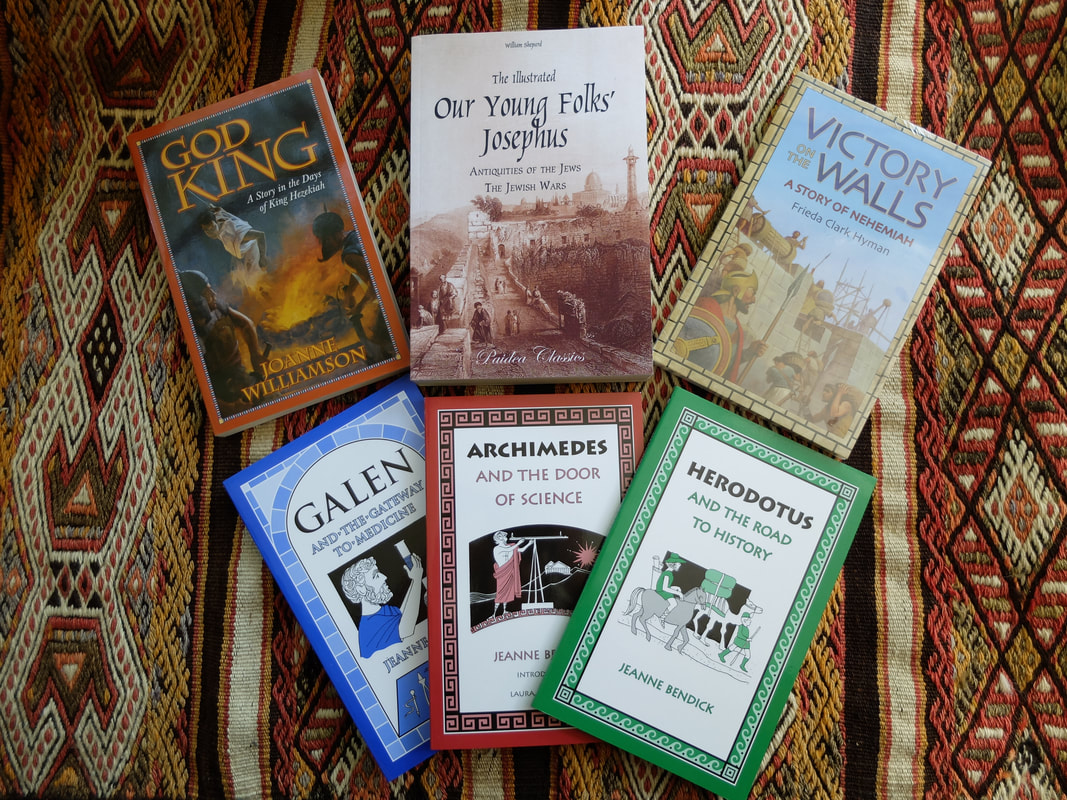 Books are on an antique camel bag from Tarsus, Anatolia. An initial book list for Ancient history, upper elementary through middle school (there will likely be additions to this list over time): Ancient History for the fluent reader, late elementary through middle school Literature: The Old Testament The Bible and the Holy Fathers for Orthodox The Law of God, by Fr. Seraphim Slobodskoi (better choice for early Elementary) The Law of God, by Fr. Daniel Sysoev (better choice for upper Elementary through adulthood) Lessons in the Old Testament, by Fr. Serge Kotar (3rd Grade Curriculum from St. John of Shanghai school in San Francisco) A Sacred History for Children, Edited Nancy Mirolovich; Illustrated Gabriela Moustardas Our Young Folks’ Josephus: Antiquities of the Jews and the Jewish Wars Our Young Folks’ Plutarch (a children’s versions for Greek and Roman lives): A Wonder Book for Girls and Boys (Greek mythology) Tanglewood Tales (Greek mythology) DK Eyewitness Books: Mesopotamia DK Eyewitness Books: Ancient Egypt DK Eyewitness Books: Ancient Greece Ancient Egyptian, Mesopotamian and Persian Costume Ancient Israelites and Their Neighbors, by Marian Broida (activity book) Ancient Egyptians and Their Neighbors, By Marian Broida (activity book) Gilgamesh the King (I recommend this version for high school as well, because the original is quite pornographic in nature) The Revenge of Ishtar (I recommend this version for high school as well, because the original is quite pornographic in nature) The Last Quest of Gilgamesh (I recommend this version for high school as well, because the original is quite pornographic in nature) The Golden Goblet, by Eloise Jarvis McGraw Mara, Daughter of the Nile (some romantic content) The Riddle of the Rosetta Stone The Pharaohs of Ancient Egypt The Wanderings of Odysseus, by Rosemary Sutcliff Black Ships Before Troy, by Rosemary Sutcliff Hittite Warrior Archimedes and the Door of Science Galen and the Gateway to Medicine God King: A Story to the Days of King Hezekiah Herodotus And the Road to History Victory on the Walls, A Story of Nehemiah Book of Centuries: Actual bound book as Charlotte Mason used in her schools Book of Centuries Source Book: The Ancient World (in development) Ancient History Portfolio and Timeline (A curriculum inspired by the book of centuries idea though not actually following Charlotte Mason’s philosophy. Developed by an Orthodox Christian. Recommended for ages 9 and up) Ancient History Portfolio Junior (recommended for ages 5-10) Poetry and Copywork: Lives of Old Testament Saints in chronological order from the prologue including Troparia for copywork is in development. Quotes from Proverbs, hymns from Exodus. Nature Study: Glory to God for All Things! Nature Journal Citizenship/Virtue Study: From I-ville to You-ville, by Angeliki Delecha Lives of Old Testament Saints Proverbs 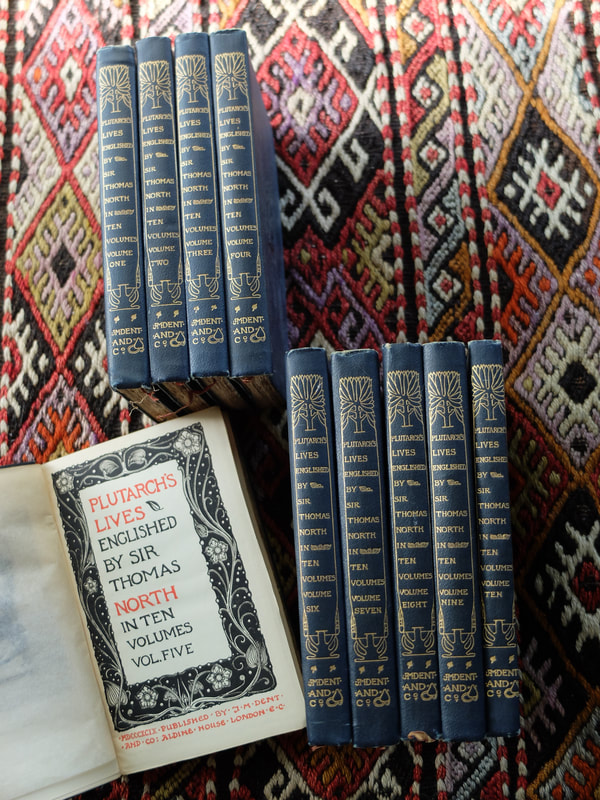 Books are on an antique camel bag from Tarsus, Anatolia. Here is a listing of free e-texts of classic children's literature covering ancient history from Baldwin Project. I have not read most of these and cannot speak for their quality, appropriateness, or intended age. But having them separated from the general list may aid in lesson planning. It would be nice to have these arranged chronologically in the future with a short description. Maybe I can get that done at some point. There are other sites with public domain children's literature as well. Hopefully, in time, I can also include them in a master list in chronological and geographic order.
The first book in this list is "Our Young Folks' Josephus," a book Paidea Classics has published with illustrations. Our Young Folks’ Josephus (From Abraham until the Fall of Jerusalem) Cyrus the Great (Persia 600 BC) Darius the Great (Persia 550-486 BC) Xerxes (Persia 519-466 BC) The Hammer (Jerusalem 174 BC) Our Young Folks’ Plutarch (Greece and Rome 820 BC-69 AD) Plutarch’s Lives for Boys and Girls (Greece and Rome 820 BC-69 AD) Children’s Plutarch: Tales of the Greeks (820 BC-69 AD) Aesop’s Fables (Aesop’s life: 620-564 BC) The Aesop for Children (Aesop’s life: 620-564 BC) The Story of the Greek People The Illiad for Boys and Girls (8th or 7th century BC) The Odyssey for Boys and Girls (8th or 7th century BC) The Iliad (8th or 7th century BC) The Odyssey (8th or 7th century BC) Stories from Plato and Other Classic Writers (428-348 BC) Stories from the Greek Comedians Stories from the Greek Tragedians Old Greek Stories The Story of Greece A Story of the Golden Age of Greek Heroes Historical Tales: Greek The Golden Fleece and the Heroes Before Achilles (Greek Mythology) Gods and Heroes (Greek Mythology) Four Old Greeks Greek Gods, Heroes, and Men (Greek Mythology) Tanglewood Tales (Greek Mythology) A Wonderbook for Girls and Boys The Golden Porch The Heroes (Greek Mythology) Old Greek Folk Stories Told Anew Stories of the Ancient Greeks Stories of the East from Herodotus The Story of the Persian War The Story of the Greeks Stories from Greek History Callias–The Fall of Athens (5th century BC) Three Greek Children A Young Macedonian Our Little Athenian Cousin of Long Ago Pictures from Greek Life and Story Pyrrhus (318-272 BC) Famous Men of Greece Alexander the Great (356-323 BC) Cleopatra (69-30 BC) Lords of the World Children’s Plutarch: Tales of the Romans Famous Men of Rome Lucius. Adventures of a Roman Boy Pictures from Roman Life and Story Roman Life in the Days of Cicero (106-43 BC) Stories from Ancient Rome Stories from Livy (59 BC-17 AD) The Story of the Romans Stories in Stone from the Roman Forum The Story of Rome Historical Tales: Roman The Aeneid for Boys and Girls Romulus Stories of Beowulf Told to the Children (ancient English poem) 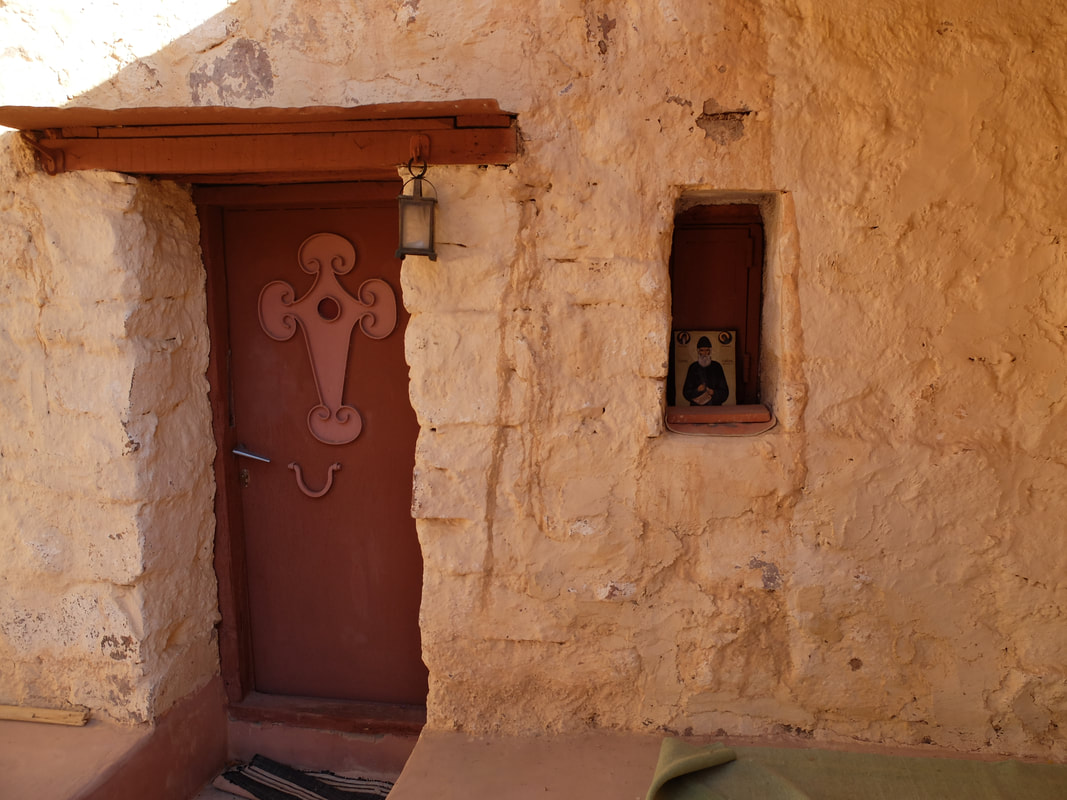 St. Paisios' hermitage in Sinai, Egypt (Father Paisius was a noted Athonite elder. The following conversation with Father Paisius took place in August 1990.)
Q. Yeronda (Gk. for elder), there are so many temptations and dangers for young people today. And although we see to it as much as we can to have our children within the church, we worry. Is this concern justified? A. For children who have been watered from a young age on piety-do not have fear for them and if they stray a little due to their age or because of temptations-they will come back... Q. From which age, Yeronda, do you believe that children become "receptive" and how can we as parents take action without endangering them by chance of excessiveness? A. First of all, children imitate us and of course it starts from infancy. From there onwards we have to have the same concern over them as with watches. We wind them as quickly as their spring will take andthen later on slowly, being careful not to break their spring with force. Q. Many times they aren't obedient on some important issues and they rebel very badly for their age. Shouldn't we insist especially on things like piety? A. When something isn't going well, something is always to blame. Maybe our example is to blame? Maybe it's some bad issues, some bad actions, or bad words within the home. However, piety is given to children with their milk and not with solid food. Never with pressure or force. And especially by example. Q. In cases of wrong actions does spanking bring good results? A. We must avoid it as much as possible. And also all those continuous "no's" and "don'ts". Make the child understand why he shouldn't do something. Only then can we bring them around. Q. Even though we try and follow all these things as much as we can, they become rebellious and disobedient. Do you think that it could be because of bad company at school-perhaps it is our fault?...Sometimes, however they surpass every limit and we don't know what to do. A. Why don't we give the screwdriver to Christ sometimes-let him take care of things and tighten a few screws. Let's not expect to do everything ourselves. Q. In the case where the child is in the church yet at a certain age he starts to change his ways and stray, how should we handle this? A. Calmly. If they do something serous, we should intervene. With younger children we should overlook something so we don't turn things around and make things worst. Q. When a child gets involved with a bad crowd and deserts his home and in the meantime doesn't have much of Christ with him, because unfortunately we are weak- do you think there is much hope that they'll come round? A. Did they take love with them? Where there is love in the home and the child himself was surrounded by love himself, even if he leaves and gets involved with bad crowds and having a good time, he will see eventually that there is no love outside. He'll see that there is hypocrisy everywhere and he'll return home. But if he remembers hostility and hatred he won't have it in his heart to return home. Q. When we ourselves have come to know Christ late, that is, when our children have already grown up, what can we do to put them on the right path? A. In this case, only prayer can bring results. We must ask God with a lot of faith to have mercy on these children who are not responsible for their unbelief. We must recognize that the responsibility is totally ours to humble ourselves and to have genuine repentance, and God will help. He has His way. He'll send them a life jacket to save them.  An excerpt from "Conversations with Children," by Sister Magdelen of the Stavropegic Monastery of St. John the Baptist, Essex, United Kingdom.
THE HEART, THE SPIRITUAL CENTRE OF A PERSON 'Thou shalt love the Lord thy God with all thy heart, and with all thy soul, and with all thy strength, and with all they mind' (Luke 10:27). Christ put the heart first in His Commandment. The heart is the most personal component of a human being. Our brains and our minds reflect in their way the state of our heart; as the Lord said, thoughts proceed out of the heart (Matt. 15:19, Mark 7:21). 'Our ideas, our philosophical systems, our cosmologies, our world views, are nothing else but the history of our hearts.'* As we develop spiritually, our intellect no longer remains separated, exiled in the brain. Mind and heart are united in a re-integrated person. The heart is cleansed and awakened by grace and by life according to the Gospel; that is why so many of our contemporaries are only aware of the heart's physical functions. Sometimes they acknowledge also its emotional facet, though in the case of the emotions many consider the term 'heart' to be symbolic or metaphorical. Those who follow a Christian path will discover that the heart is the meeting place between the real 'I', the human hypostasis, and the living God. The pure in heart see God there. Knowledge of Him originates there. The cultivation of the heart is a task beyond any secular educational system. Intellectual ability is now deemed the criterion of knowledge. Because we are spiritually frozen we do not recognize a thought until it has taken a cerebral form. In reality, moral and spiritual judgments are decided in the heart. Child to a spiritual father: 'What shall I do about [personal problem]?' Elder: 'I think you should decide about that yourself'. Child: 'But I can't' Elder: 'That's because you tried to decide here [hand on forehead] rather than here [hand on heart].' Obviously this was a personal answer. But the fact that it was given to a child is significant. It also shows us that in Christian life, deciding by the heart does not mean being guided by the emotions rather than by reason. Neither does it mean that feelings are superior to thinking. Nor do we deny the value of reasoning. Deciding by our heart means opening the core of one's being to God's enlightenment, and letting the effect of that prayer colour our decision-making. In the spiritual education of children, our first concern is not to train their wills, but to attract grace by our life and prayer to their environment, and to let each child's heart become attached to grace. Theological discussion with children is a very small proportion of Christian education. Prayer that God will touch them with grace is a permanent dimension of all our dealings with children, even when they are not with us. Protopresbyter George Metallinos, recalling the holy Elder Porphyrios: 'He told me that I must deal with one of my children by praying a lot more. He specifically said to me about that child, "Whatever you would say to that child, say it to God. Kneel before God and through the grace of God, your words will be conveyed to your child." About my other child, he said to me: " He listens, but he easily forgets. Therefore, again you will kneel and you will ask for God's grace, so that your fatherly words will fall upon good soil and will be able to bear fruit."** *Fr. Theokletos Dionysiatis, "Between Heaven and Earth [in Greek], (Athens, 1955), p. 130. **Klitos Ionnidis, "Elder Porphyrios, Testimonies and Experiences," (Athens: Convent of the Transfiguration, 1997), p. 77. 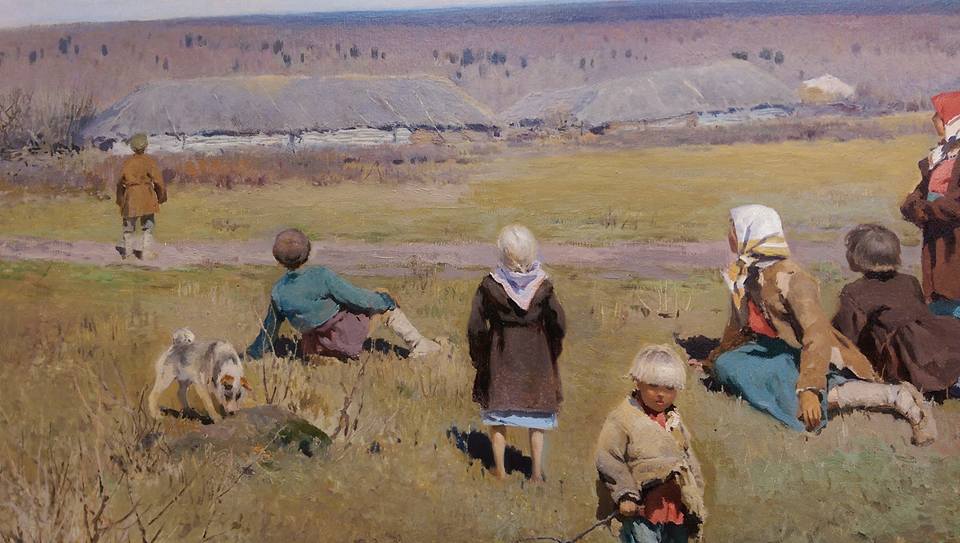 A Prayer for Children
Bishop Nikolai Velimirovich All-plenteous Lord Jesus Christ, Who was once even Thyself a child and Who used to love and bless children, have mercy upon the children of our time, and save them - so that unbaptized children may be baptized, and so that baptized children may be strengthened in their faith in Thee, Who art Truth eternal, and in their love for Thee, Who art Love ineffable. Save, O Lord, those children whom unbelieving parents corrupt with atheism and turn away from Thee, their Savior and salvation. Save, O All-meek Lord, also those children whom evil teachers, without God or soul, alienate from Thee, their Savior and salvation. Save, O Lord, also those children whose pure soul is defiled by all the immorality in the streets, in the theater, and on television -save them from the impurity of the streets and the theater and from every impurity. Save, O All-merciful Lord, also those children who are orphans and have fallen into the hands of cruel guardians, or bad stepfathers or stepmothers, or those who are supposed to rear them but do not -- save them from hearing blasphemous words and from seeing malicious deeds. Save, O Son of God, the sons of the sons of men, whom the world tugs here and there into many physical trainings and occupations, without giving them any training in Thy Holy Law, training in proper thoughts, in truth and mercy, and in all deeds of goodness and righteousness. Help the children of this age, O Almighty One, so that they may grow up and mature to Divine sonship and heavenly citizenship, for their eternal salvation and for Thy glory and praise. Amen. From The Struggle for Faith and other writings of Bishop Nikolai Velimirovich and Archimandrite Justin Popovich, Vol IV of A Treasury of Serbian Orthodox Spirituality 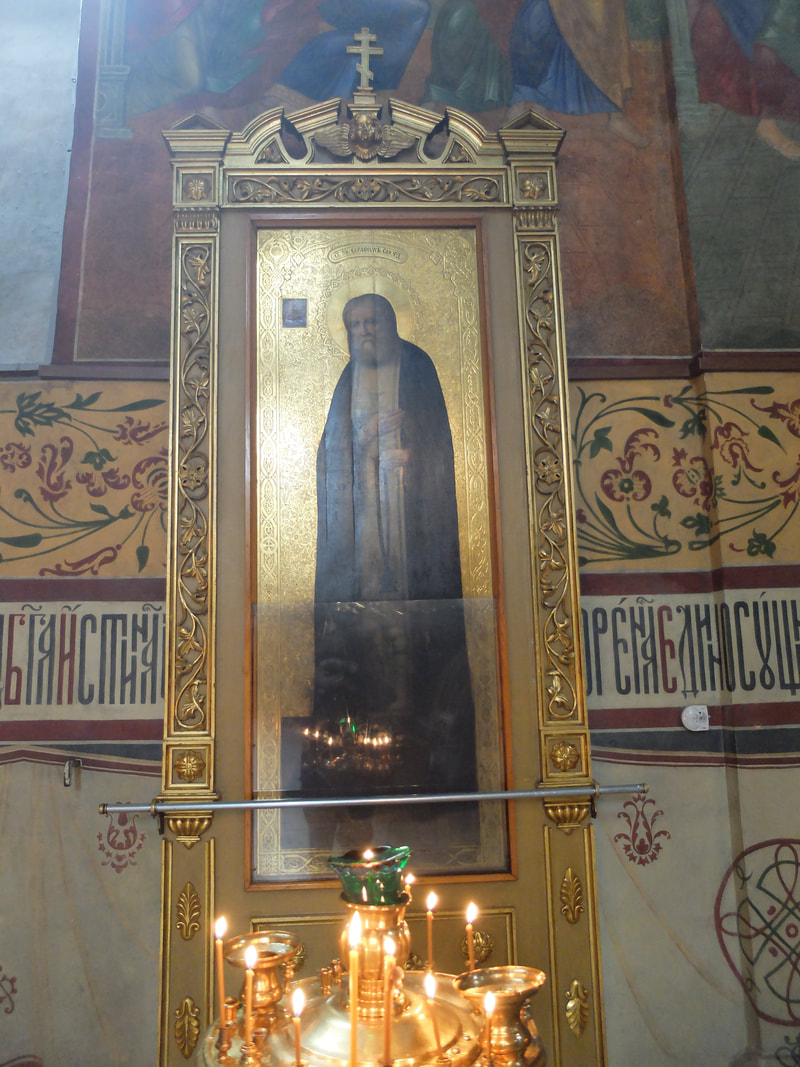 Prayer of Contrite Repentance
 (St. Seraphim of Sarov advised people to say this in moments of despondency and as an antidote to despair.) Master and Lord of Heaven and Earth and King of the ages. Deign to open the door of repentance to me, for in anguish of my heart I pray to Thee, our true God, the Father of our Lord Jesus Christ, the Light of the world. Look upon me in Thy great loving-kindness and accept my prayer. Incline Thine ear to my prayer and forgive me all the evil that I have done by the abuse of my free will. Behold, I seek rest, yet I do not find it, for I have not received forgiveness from my conscience. I thirst for peace, but there is no peace in me from the dark abyss of my transgressions. Hear, O Lord, a heart which cries to Thee. Regard not my evil deeds, but consider the agony of my soul and make haste to heal me who am badly wounded. By the grace of Thy love for men, give me time for repentance and deliver me from my shameful deeds, lest I finally perish. Hear me, O Lord, in my despair. Behold, I am bereft of my will and of every thought of amendment. Therefore, I have recourse to Thy compassion. Have mercy on me, cast down and condemned on account of my sins. O Lord, rescue me who am enslaved and held by my evil deeds, as if I were shackled with chains. Thou Alone knowest how to set prisoners free; and as Thou Alone knowest secret things, Thou healest wounds that are known by no one but seen by Thee. Therefore, being tortured in every way by cruel pains, I cry only to Thee, the Physician of all who are afflicted, the Door of those who knock without, the Way of the lost, the Light of those in darkness, the Redeemer of those in bonds, Who ever restrainest Thy right hand and withholdest Thy anger prepared for sinners, but Who givest time for repentance through Thy great love for men. O Thou Who art quick to show mercy and slow to punish, shine upon me, who have fallen badly, the light of Thy countenance, O Lord. In Thy loving-kindness stretch Thy hand to me and raise me from the depth of my transgressions. For Thou Alone art our God, Who dost not rejoice at the destruction of sinners, and Who dost not turn away Thy face from those who cry to Thee with tears. Hear, O Lord, the voice of Thy servant who cries to Thee, and manifest Thy light to me who am deprived of light, and give me Thy grace, for I have no hope whatever, that I may always trust in Thy help and power. Turn my weeping into joy, rend my rags and gird me with gladness. Grant that I may rest from my dark deeds and enjoy the morning calm with Thy chosen, O Lord, whence all pain, sorrow and sighing have fled away. May the door of Thy Kingdom be opened to me, that I may enter with those who rejoice in the light of Thy countenance, O Lord, and that even I may receive eternal life in Christ Jesus our Lord. Amen |
The
A collection of articles and resources useful for Orthodox Christian parenting and homeschooling. CategoriesArchives
March 2022
|
 RSS Feed